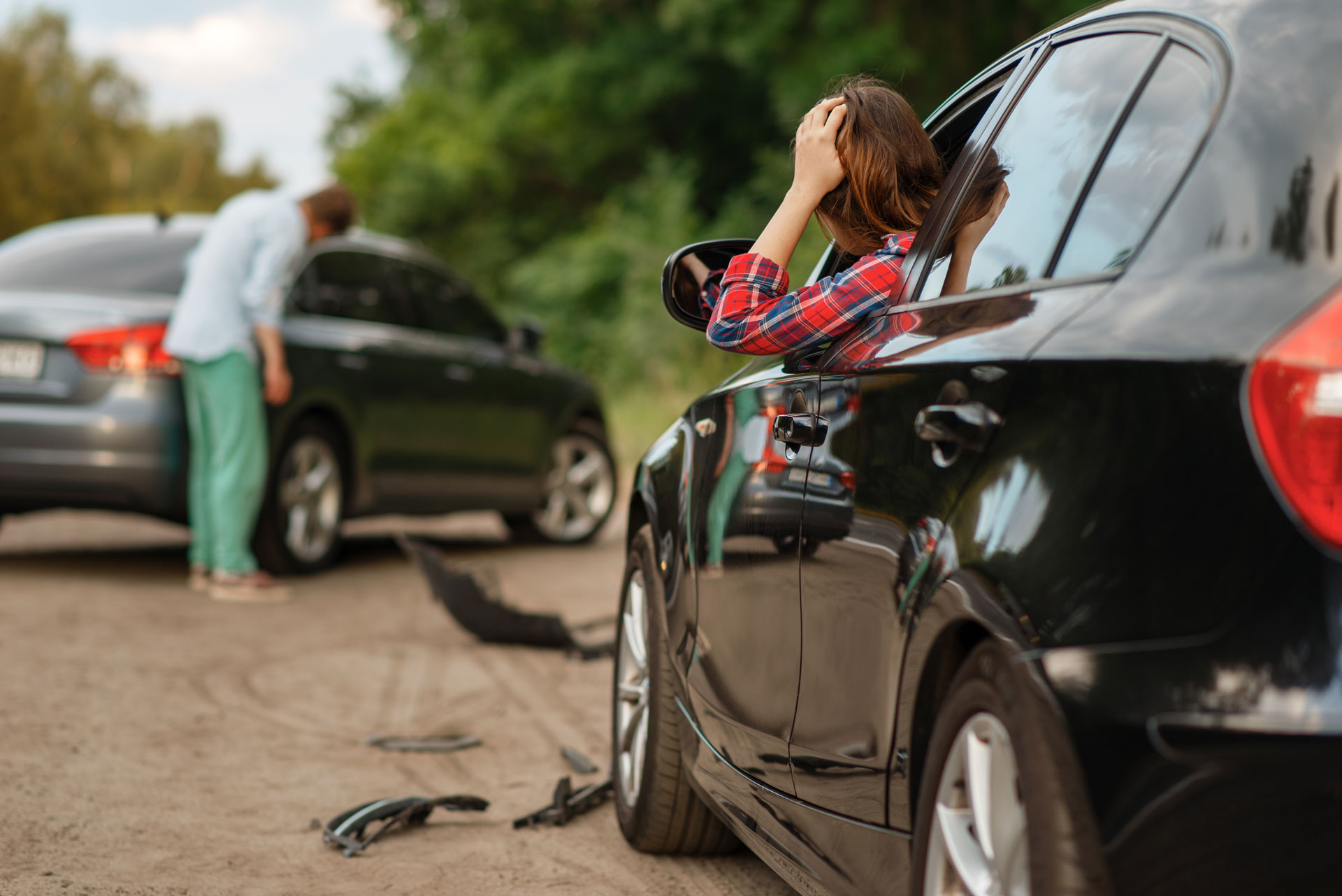


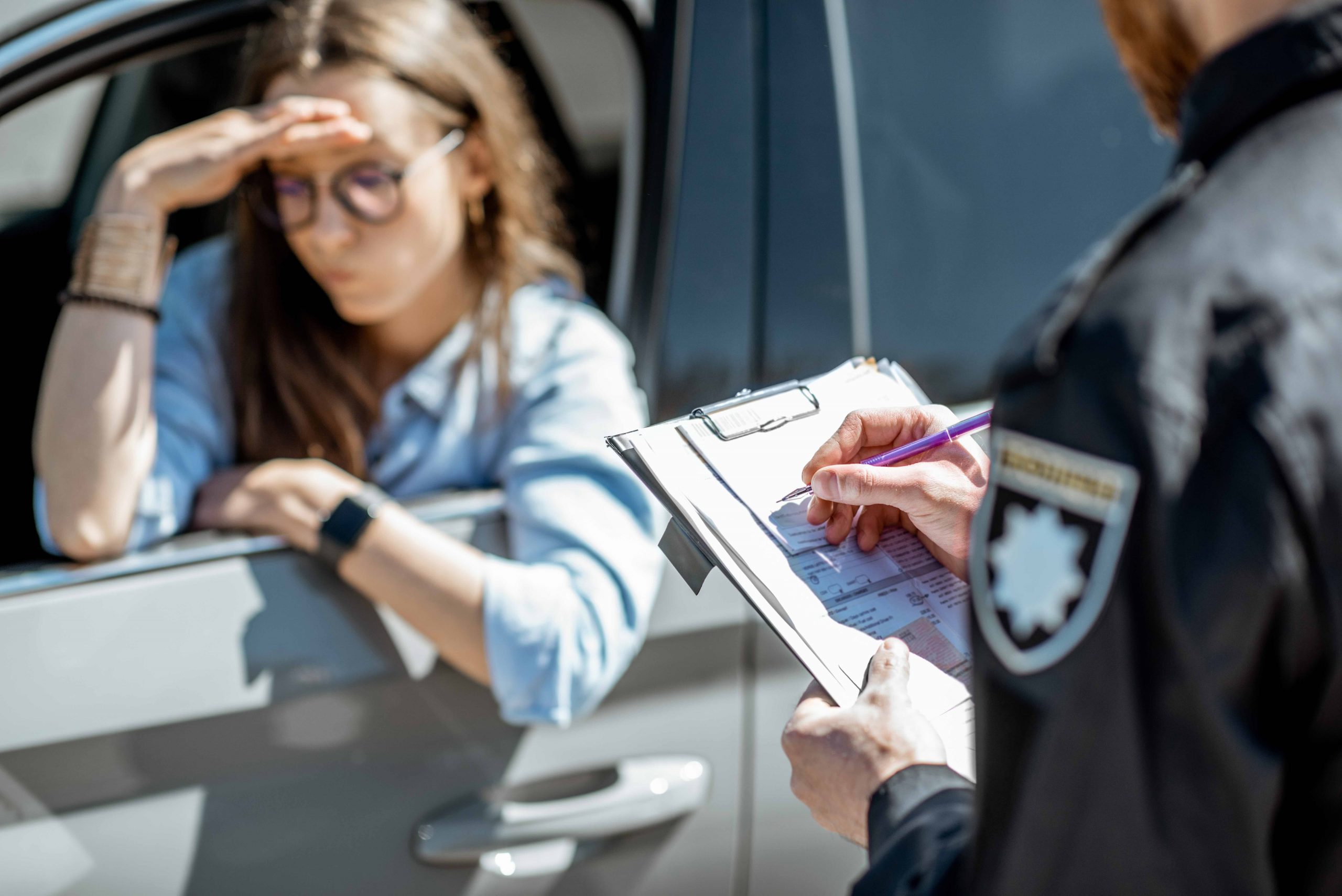
One of the most valuable records after a crash is an accident report. This document contains the information needed by the parties as well as their insurers and car accident lawyers, to sort out issues of loss and liability. While state law formerly required motorists to file a police report, car accident Illinois legal requirements no longer impose this duty.
Illinois Requirements for Filing a Police Report
Illinois requires drivers to notify the police of any crash that involves significant losses. Accidents involving any of the following must be reported:
- Death
- Injury
- Property damage to any insured person over $1,500
- Property damage to any uninsured person over $500
- A school bus crash that caused death, injury, or property damage in any amount
- A crash within 50 feet of a school bus that results in injury or death of anyone awaiting, boarding, or exiting the bus
The property damage thresholds apply individually. Thus, when both drivers are insured, they need not call the police if one vehicle has $1,000 in damage and the other suffers $800 in damage. Although the total exceeds $1,500, no single driver had $1,500 in damage.
The driver notifies the local police department, county sheriff’s office, or Illinois State Police, depending on the crash location. This notification must occur by the “fastest available means of communication,” typically by phone call.
A driver’s reporting duties end there. Illinois car accident reporting law required drivers to file a police report with the Illinois State Police. However, Public Law 102-0560 repealed this statute in 2021.
Consequences of Not Filing a Police Report
Since the reporting law was repealed, you will not face any consequences for failing to file an accident report. However, the law still requires you to notify the police. You may receive a written request from the Illinois Department of Transportation (IDOT) if you neglect to do so. IDOT can suspend your license if you ignore the request.
The law does not define a penalty for failing to notify the police about a car accident. No police report? Illinois judges may see this as a chance to fine people for violating the traffic code. Thus, Illinois could fine you but cannot send you to jail.
IDOT does not assess points on your record simply for violating the notice requirement. However, it may suspend your driver’s license if you committed additional violations during your crash.
Civil Consequences of Failing to Notify the Police
You could face consequences other than criminal or administrative punishment. When you report a crash, the police investigate and produce a crash report.
When you do not notify the police, they cannot generate a crash report. Without this document, you might not have anything to support your side of the story in an insurance claim or lawsuit.
As a result, the claims adjuster for the other driver’s insurance company can deny your claim. Even if you have witness testimony or photos that point to the other driver, the insurer might use the lack of a crash report to challenge your story and gain the upper hand in settlement negotiations or a lawsuit.
Exceptions and Special Circumstances
Illinois law does not require drivers to report all accidents. Thus, you need not call the police after an accident that only causes property damage with minimal damage below the thresholds.
Another exception applies when the driver is severely or fatally injured. If the driver is physically incapable of notifying the police, passengers in the vehicle must call.
The law does not excuse drivers from calling the police about private property accidents. For example, you must contact the police after a parking garage crash covered by the statute.
Since 2021, you no longer need to file a written accident report with IDOT. Instead, the department will receive a copy of the police-generated report.
Steps to Take if a Police Report Was Not Filed
Illinois law removed the consequences of not filing report. Car accident Illinois requirements only impose a legal duty to call the police. Whether you call the police or not, you should:
- Stop at the accident scene
- Determine whether anyone needs help
- Exchange information with the other driver
Additionally, you should gather evidence to support any legal claims. Take photos of the crash and get eyewitness contact information.
Report the accident to your insurer and consider filing a claim with the at-fault driver’s insurer. Contact a lawyer to discuss any legal difficulties, like proving causation without a crash report.
Importance of Filing a Police Report: Car Accident Illinois Legal Requirements
Calling the police after your crash helps significantly. The crash report prepared by the police documents your crash and protects you from unfounded allegations from the other driver. Apart from record-keeping benefits, a crash report can support your version of the events for any insurance claim or lawsuit.
Contact Us to Learn More About Crash Reports
Illinois no longer requires a written police report. Car accident Illinois laws only require police notification. This notification follows crashes causing injury, death, or property damage over the statutory thresholds.
Properly handling car accidents can provide significant benefits, including supporting your insurance and legal claims. Contact Lawler Lawler Injury Law for a free case evaluation to discuss how we can help you pursue accident compensation.